
LEAFSCREENER® operates in Melbourne and Sydney, and is one of the oldest gutter guard and gutter protection brands in Australia. We are totally dedicated to providing you with the very best solutions available for blocked gutters. Look for the registered trademark symbol when searching for the real LEAFSCREENER®! Call us on 1300 LEAFSCREEN anytime!
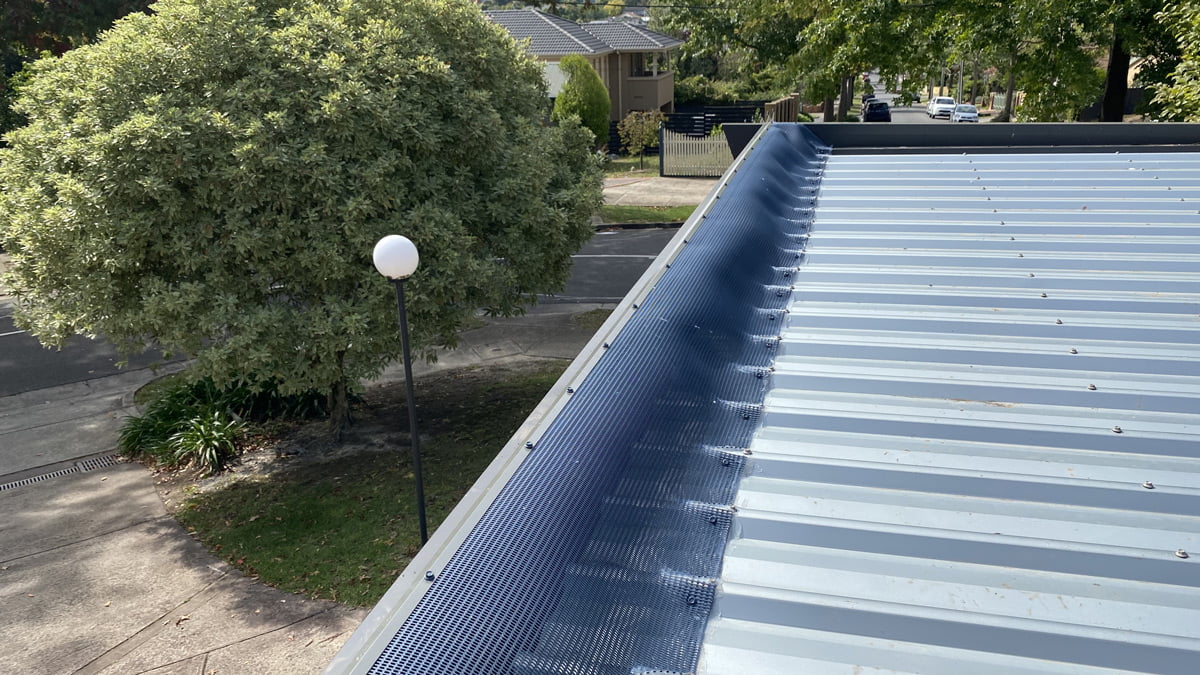
At LEAFSCREENER®️ we carefully select only the most durable polymesh for our gutter guard installations. Our polymesh gutter guard is stronger, heavier and more tear resistant than most other options out there, plus it’s resistant to impact, water damage and UV damage.
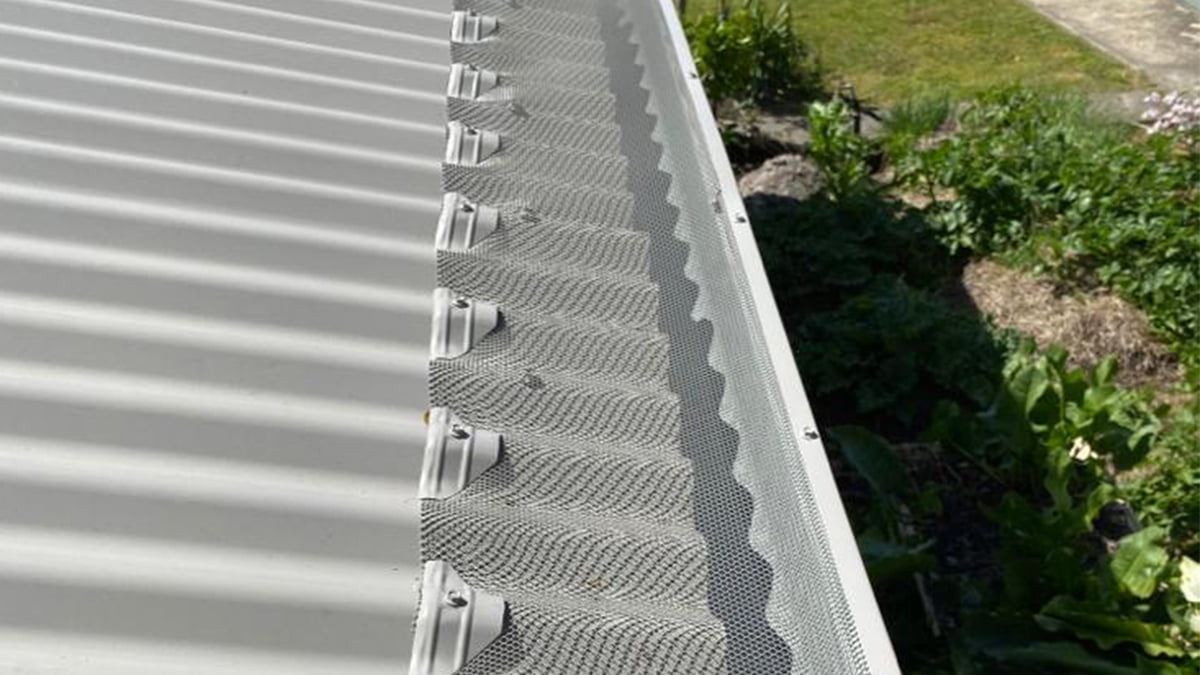
LEAFSCREENER®️ non-combustible aluminium gutter mesh is powder coated and will outlast many other options, it won’t easily warp or change colour from the sun’s harsh UV rays. Our metal gutter meshes conform very well to roofing and come in a massive colour range.
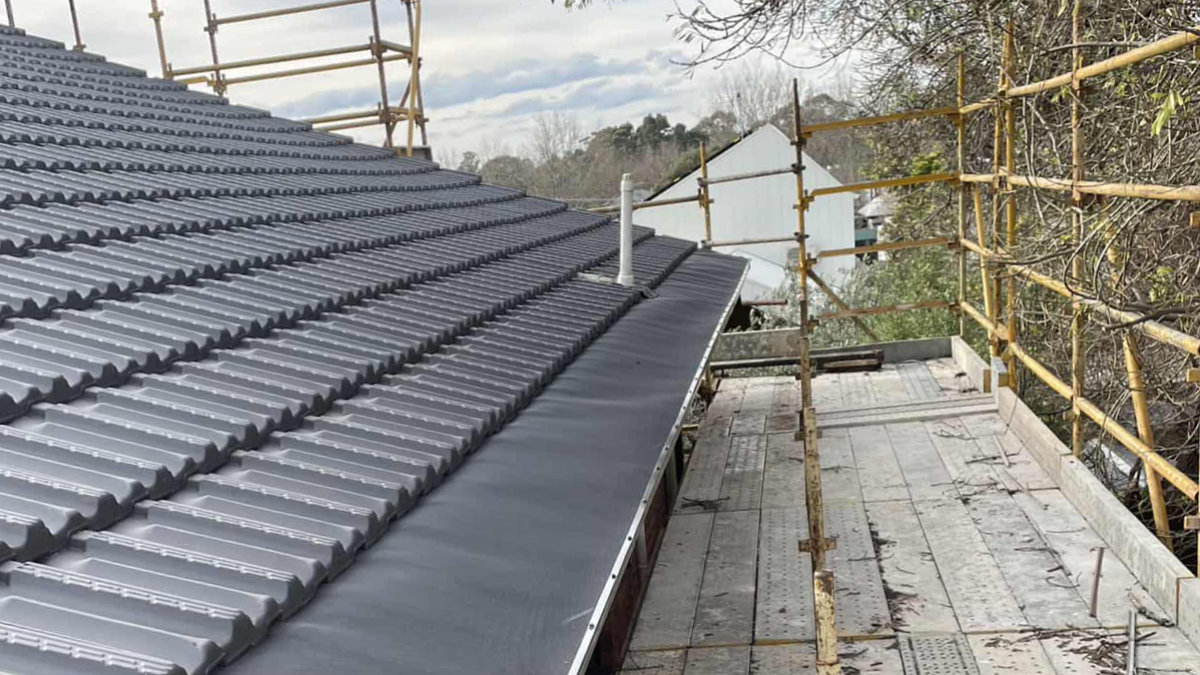
At LEAFSCREENER®️, we’re dedicated to helping protect homes in bushfire-prone areas with our high-quality Ember Guard gutter protection. Designed to prevent dangerous bushfire embers from entering gutters, Ember Guard gives peace of mind to homeowners in high-risk bushfire areas.
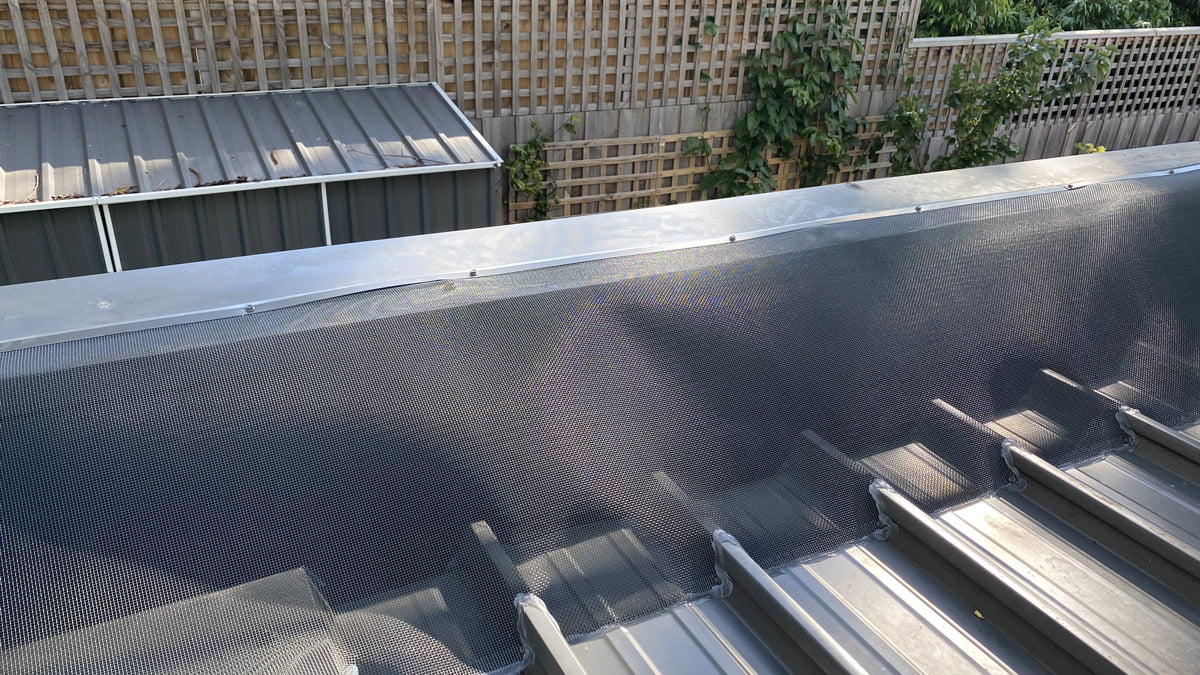
LEAFSCREENER®️ are experts at installing leaf guard onto box gutters, which are gutters that are ‘boxed in’ by higher sections of a building. Box gutters require a wider sheet of mesh, and both our polymesh and metal leaf screen can be cut to perfect size for installation into box gutters.
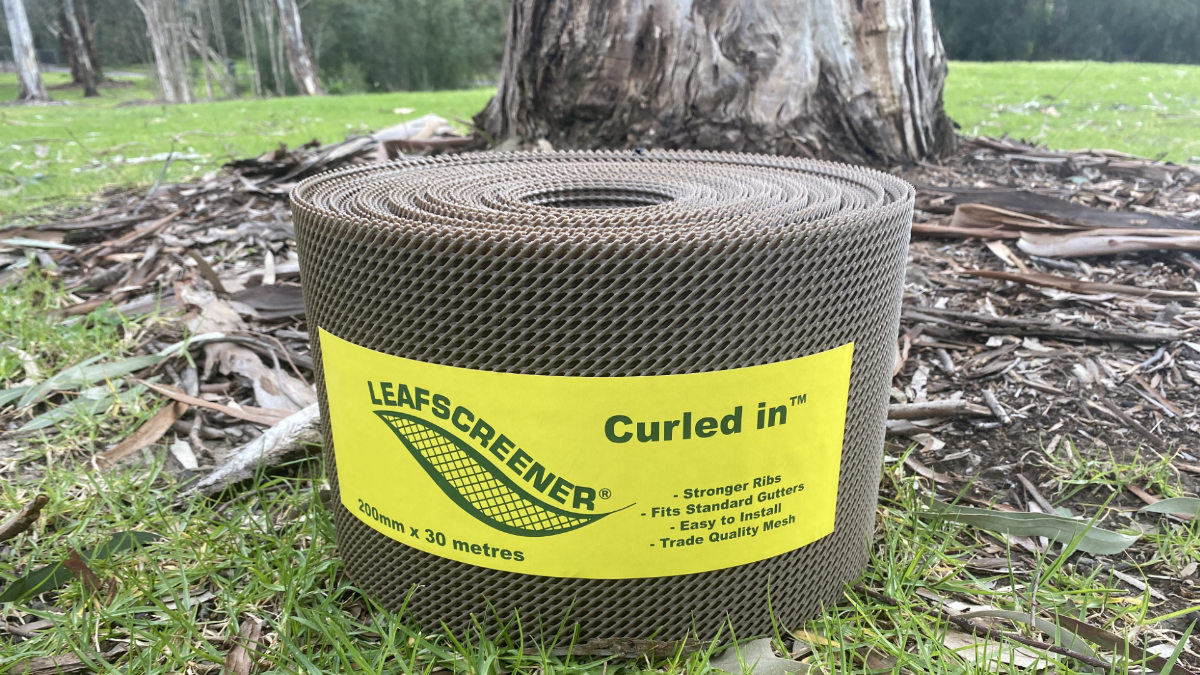
Our Curled In™ Gutter Guard mesh is a value for money alternative for DIY homeowners who want to install a simple gutter guard system themselves. Curled In™ mesh is supplied in 30 metre rolls that can be cut down to size for insertion into standard fascia gutters.
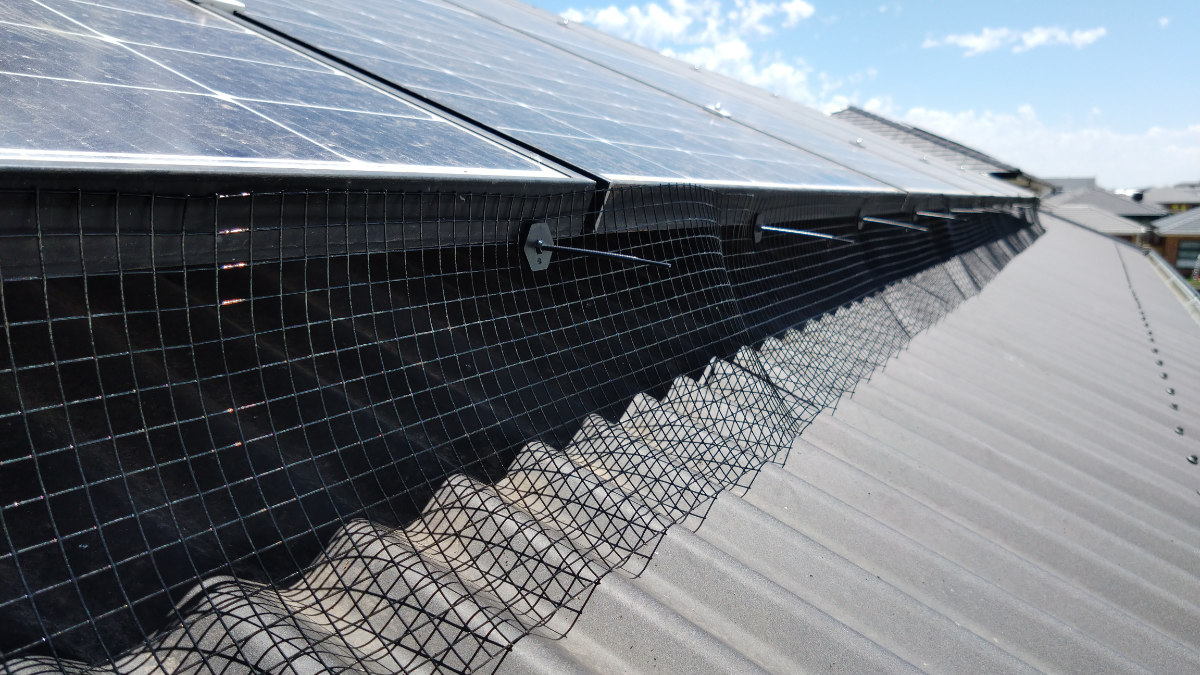
At LEAFSCREENER®️, we offer a range of bird proofing solutions to suit a variety of residential and commercial buildings. We can install a custom combination of Solar Panel Mesh, high-quality Gutter Guard, and Bird Spikes to protect your property from problematic birds and other pests and vermin.
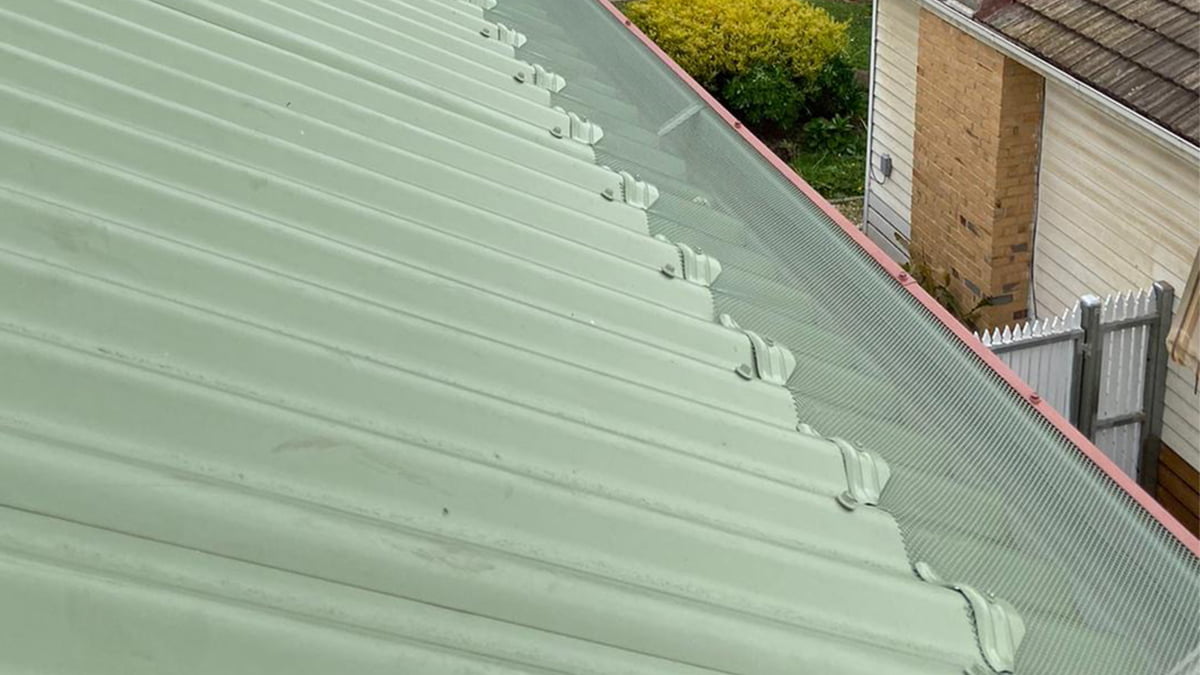
Once your gutter guards are about 10 years old, it’s almost guaranteed they’ll require some maintenance. If your old gutter guards are in disrepair and need repositioning, fixing or just a general clean and maintenance, our highly trained LEAFSCREENER®️ experts can assist.
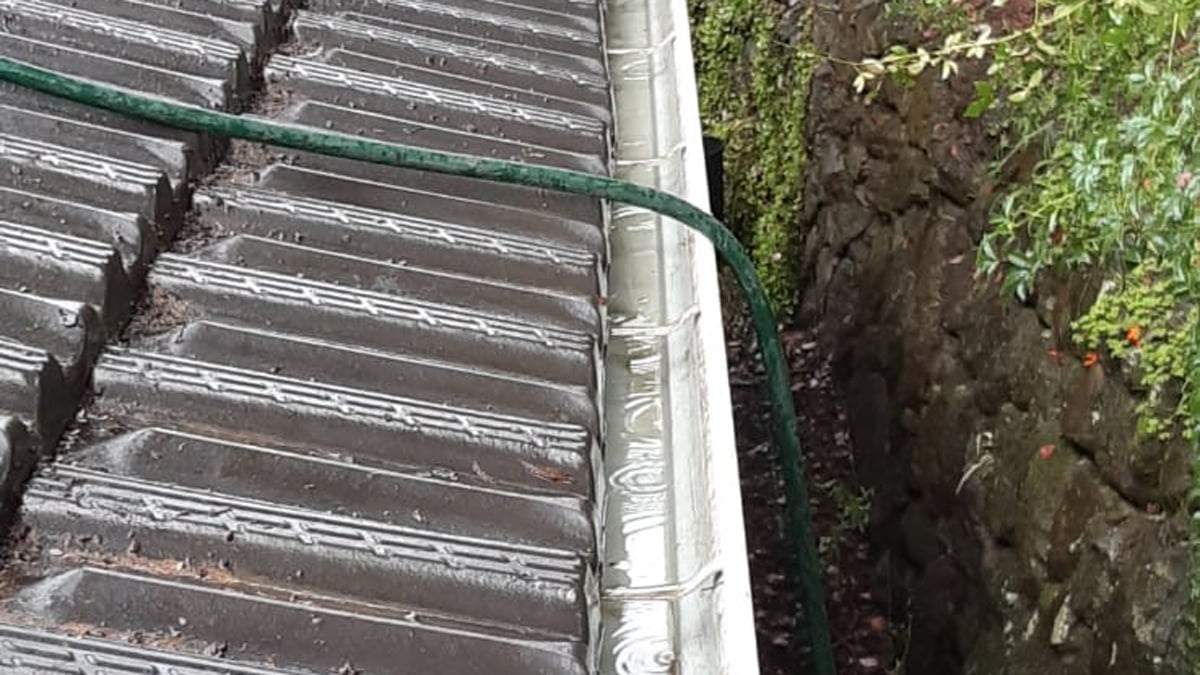
With over 28 years of history behind us at LEAFSCREENER®️, we’ve learnt some valuable lessons from our experience and the knowledge of our predecessors. That’s why we know that the best way to remove the debris from your gutters and downpipes is by versatile hand tools.
Leafscreener is one of the original Australian gutter protection brands. The history of Australian Leafscreener dates back to a time when most gutter guards were still of the DIY nature.
We have provided mesh gutter covers to thousands of properties. We always search for new innovations, over the years we have tried and tested numerous options in gutter protection. We only give guarantees and promises that we know we can honour.
Call 1300 LEAFSCREEN today.